
Taking Care of Yourself Is Part of Taking Care of Your Patients
Physicians are often the last people to seek help.
The reality is that physicians experience many of the same health challenges as the patients they care for. Stress, depression, anxiety, burnout, substance use disorders, and physical or cognitive health conditions can affect anyone—regardless of training, experience, or specialty.
Seeking support is not a sign of weakness. It is a professional and responsible step toward protecting your well-being and ensuring you can continue to provide safe, effective care. We are here to help.
Showing Symptoms of Burnout in the Medical Field
%
of medical students and residents
%
of medical students and residents
%
pharmacists
October 2022, National Plan for Health Workforce Well-Being – National Academy of Medicine (NAM) – Action Collaborative on Clinician Well-Being and Resilience
When Caring for Others Becomes Difficult, We’re Here to Help
Why Physician Health Matters
When healthcare professionals thrive, patients benefit.
Our programs are founded on the belief that healthcare professionals deserve the same compassion, care, and support they provide to others every day. By helping physicians and healthcare professionals address potentially impairing conditions, we support healthier careers, safer patient care, and stronger healthcare communities throughout Maryland.
If you’re struggling with stress, burnout, mental health concerns, substance use, a health condition affecting your practice, or simply feeling like you’re carrying more than you can manage alone, you’re not the only one—and help is available.
The Physician Health Programs at the Center for a Healthy Maryland are designed specifically for physicians and healthcare professionals. We understand the unique challenges of medical practice and provide confidential support, guidance, resources, and advocacy to help physicians protect their health, their careers, and the patients they serve.
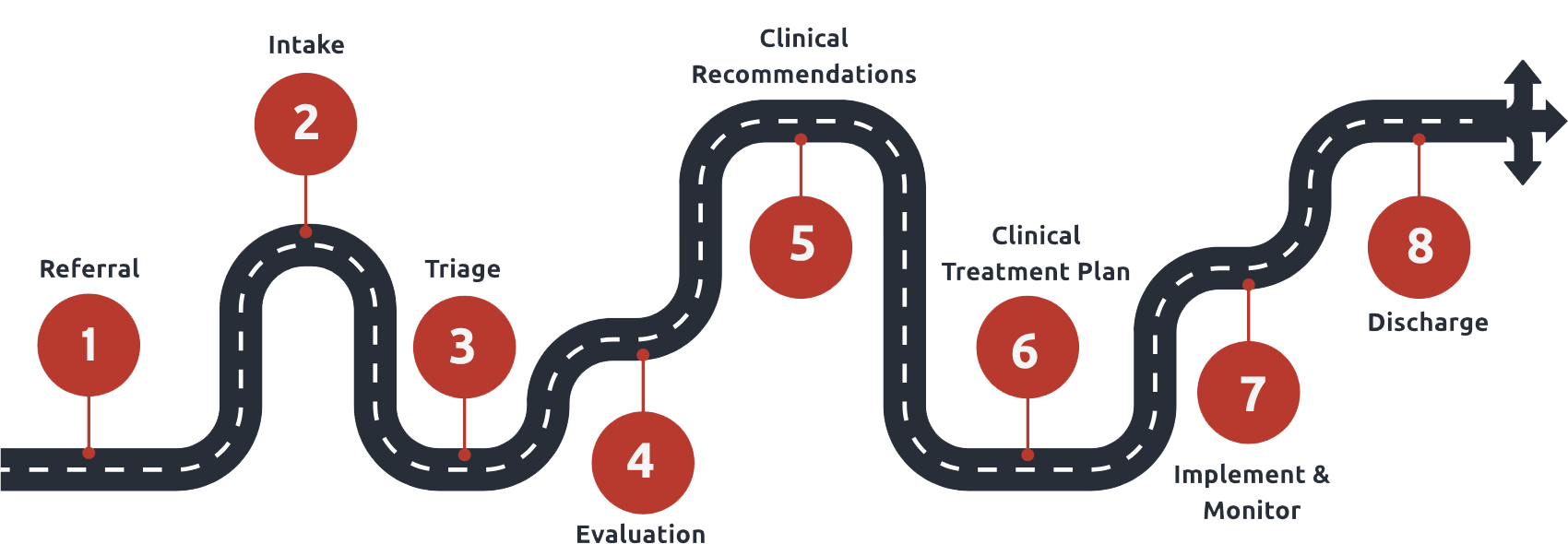
The Journey of an MPHP Participant
What happens when a healthcare professional contacts or is referred to the MPHP?
Here is a roadmap of their journey.
Our Participants
Our programs are designed to provide a private, supportive environment where healthcare professionals can discuss concerns openly and receive guidance without judgment. We accept confidential self-referrals as well as referrals from hospital or practice administrators, credentialing committees, therapists, and other treatment providers.
Concerns Encountered
- Alcohol Abuse and Alcoholism
- Chemical dependency
- Mental or emotional health
- Physical and cognitive impairment
- Behavioral issues
- Legal issues
- Boundary Violations
- Stress and burnout

Accessing the Program
Who May Use the Program?
Physicians, physicians assistants, allied health professionals and other medical practitioners licensed by their respective licensing boards whose profession does not benefit from the existing assistance program may voluntarily and confidentially contact the program by calling 410-962-5580 or 800-992-7010.
Healthcare professionals are often the first to notice when a colleague is struggling. If you are concerned about a physician, physician assistant, or other healthcare professional, we encourage you to reach out. Early support can make a meaningful difference in a colleague’s health, career, and patient safety.
If you’re worried about a spouse, partner, parent, sibling, or loved one working in healthcare, our team can help you understand available options and connect them with appropriate support services. You don’t have to navigate these concerns alone.
Call for Support or to Refer
410-962-5580 or 800-992-7010
F.A.Q.
Learn more about the support and services for health care professionals offered by the Center for a Healthy Maryland.
What types of concerns are address by the program?
- Burnout and chronic stress
- Anxiety, depression, and other mental health challenges
- Substance use and addiction
- Physical or cognitive health concerns
- Behavioral or professional issues
- Boundary concerns
- Emotional distress following adverse events
- Career, workplace, or personal challenges affecting professional performance
What are common signs that a health care professional may need support?
Common signs that someone may need support include:
- Noticeable changes in behavior or mood
- Increased absenteeism or performance concerns
- Signs of burnout or emotional exhaustion
- Concerns related to substance use
- Cognitive or physical health changes
- Professional boundary issues
- Expressions of hopelessness, distress, or overwhelming stress
Review our Distressed Physician Survey as a reference.
You do not need to have all the answers before contacting us. Our team can help determine the most appropriate next steps. Confidentiality for referring individuals can be honored when requested.
What is the cost of participation?
Our program is financed through referral source and participant fees and donations. There is a $650 administrative fee for opening a case. Participants may be requested to undergo independent evaluations and/or treatment. In such cases, the participant may choose to access personal insurance plans, or pay out of pocket for any recommended evaluations, therapies, or treatments. There is a monthly fee of $200 for case management services which commences upon a participant’s signing an advocacy contract.
The Dan H. McDougal, MD Fund provides grants-in-aid to program participants who are unable to afford the costs associated with services. Once enrolled, participants can request a Financial Assistance application to determine eligibility.
If you would like to contribute to this fund DONATE here.
Is financial aid available for program participants?
The Dan H. McDougal, MD Fund provides grants-in-aid to program participants who are unable to afford the costs associated with services. Once enrolled, participants can request a Financial Assistance application to determine eligibility.
If you would like to contribute to this fund DONATE here.
Is the program confidential?
MHPP meets HIPAA compliance standards. Federal and state laws ensure the confidentiality of practitioners referred to MHPP and participant records are non-discoverable and confidential to the extent covered by law. Exceptions to confidentiality include evidence of imminent harm to self or others through good-faith assessment by program staff, medical emergencies, court-ordered disclosures, and the State of Maryland mandated reporting requirements regarding child abuse and neglect.
For a confidential consultation for you or a colleague who may benefit from our help, please call 800-992-7010 or 410-962-5580 or email phpinfo@medchi.org.
Contact us today
Concerned colleagues or family members may also contact the program at the number provided here. The confidentiality of the referring individual will be honored upon request.
Call for Support
410-962-5580 or 800-992-7010
“My clinical manager is an amazing woman who understands my issues. She is always in my corner and I really appreciate her.”
Program Participant